
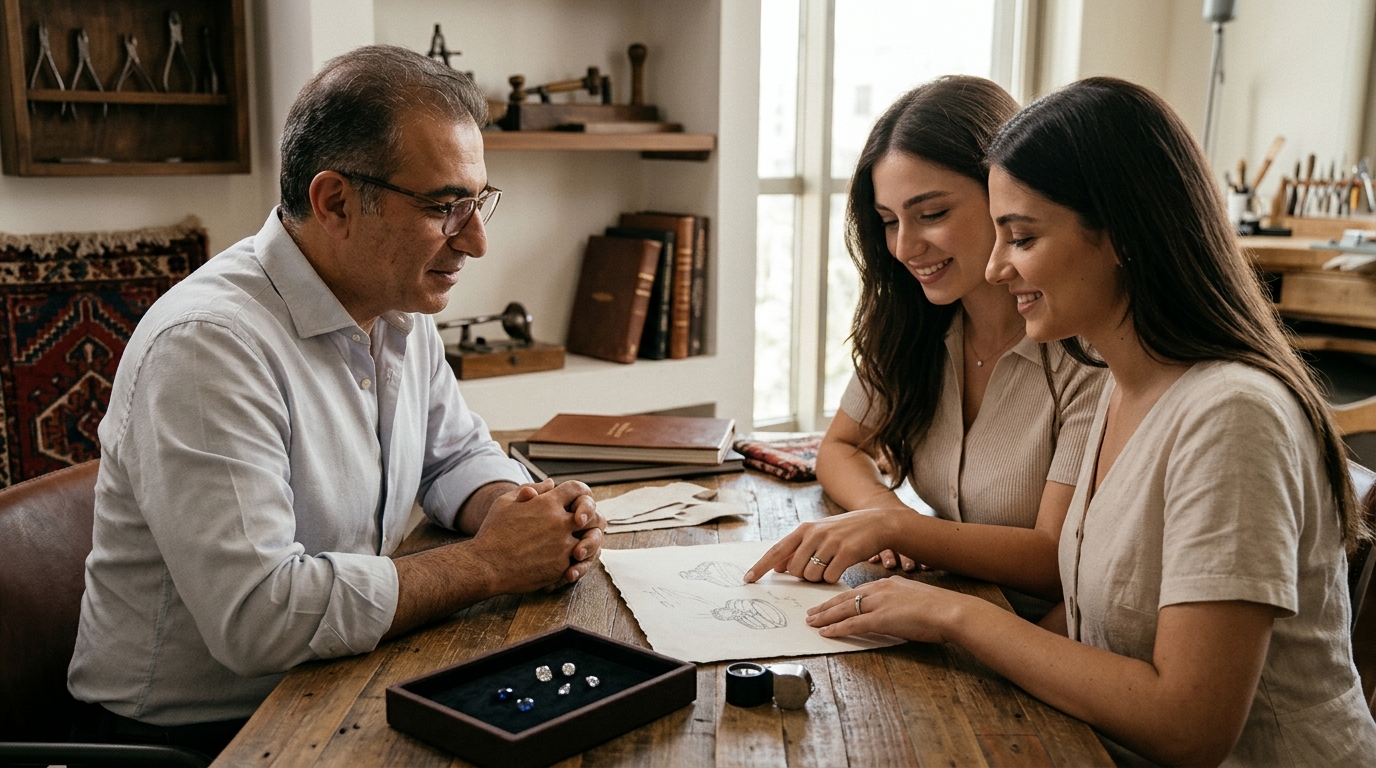
Creating a bespoke bridal piece is a collaborative journey that transforms personal sentiment into wearable art. At John Najarian, a fourth-generation Armenian-Jordanian jewelry house in Amman, this process is handled with meticulous care to ensure the final design honors your unique story. This guide outlines the essential phases of crafting a custom bridal set, from initial consultation to final delivery.
1. Initial Consultation and Vision Alignment
Define your aesthetic goals and budget parameters during the first meeting.
Every bespoke project begins with a conversation about your style preferences, lifestyle, and the specific occasion. The jeweler will ask detailed questions about the metals you prefer, the stones that resonate with you, and any symbolic elements you wish to include. This stage establishes the creative direction and ensures both parties share a clear understanding of the desired outcome.
2. Concept Development and Sketching
Translate abstract ideas into tangible visual concepts through hand-drawn or digital sketches.
Based on your input, the design team creates preliminary sketches that explore different proportions, settings, and silhouettes. You will review these concepts and provide feedback, allowing for iterative refinement until the design feels right. This phase is crucial for visualizing how the piece will look and feel before any physical work begins.
3. Stone Selection and Sourcing
Choose the center stone and accent gems that define the piece's character.
Stone selection is a critical step where you evaluate cut, color, clarity, and carat weight. At Vows Bridal, clients can explore a curated selection of genuine diamonds and colored gemstones. The jeweler guides you through the options, explaining how different stones interact with light and metal to achieve the desired sparkle and aesthetic.
4. Design Finalization and Approval
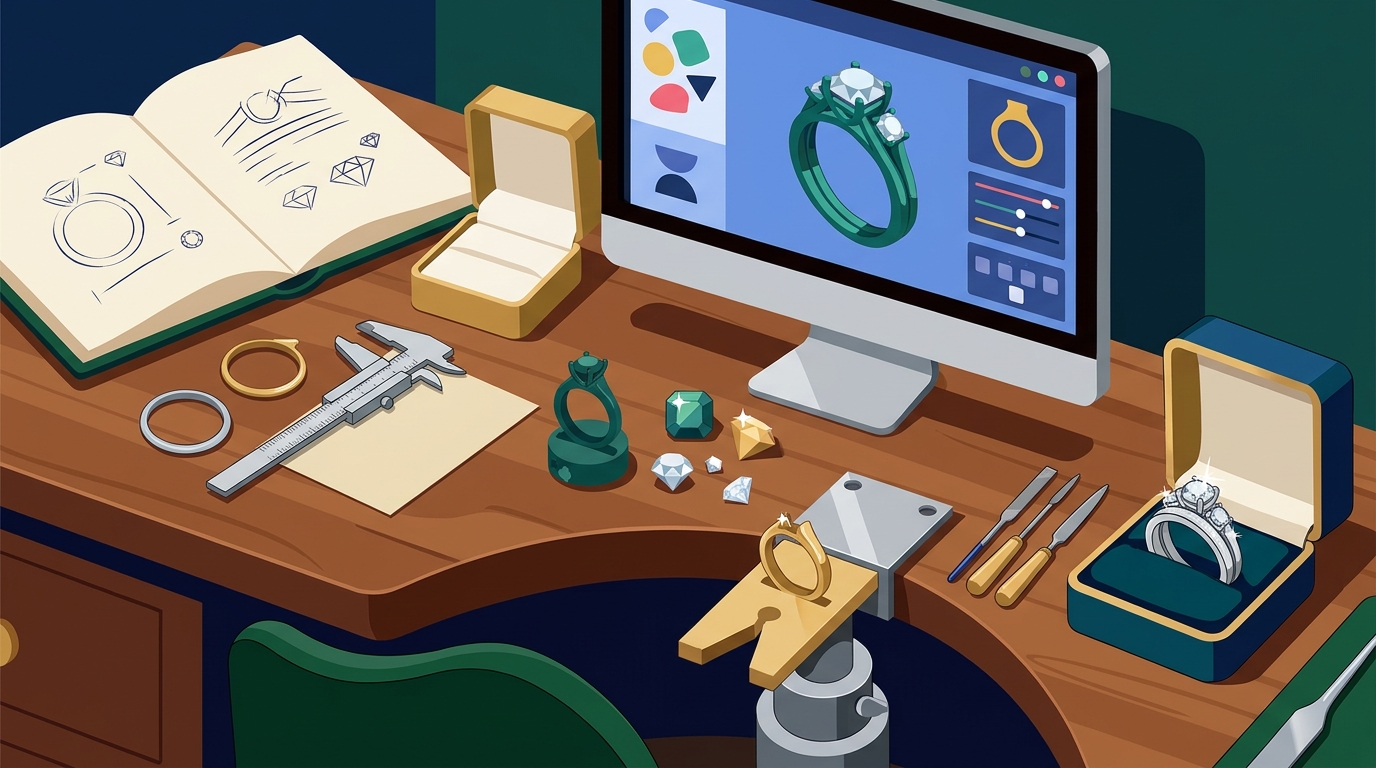
5. Artisan Crafting and Fabrication
Watch your design come to life through skilled metalworking and stone setting.
The crafting phase involves casting the metal components, polishing, and setting the stones. This is where the jeweler's expertise shines, as each detail is executed by hand to ensure precision and durability. You may be invited to view the piece at various stages of fabrication to ensure it aligns with your expectations.
6. Quality Control and Final Inspection
Ensure the finished piece meets the highest standards of craftsmanship and safety.
Before delivery, the jewelry undergoes a rigorous inspection. The jeweler checks for any imperfections, ensures all stones are securely set, and verifies that the piece functions as intended. This step guarantees that the final product is not only beautiful but also built to last for generations.
7. Delivery and Aftercare Guidance
Receive your bespoke piece and learn how to care for it properly.
The final step is the presentation of your completed jewelry. The jeweler will provide guidance on how to clean, store, and maintain the piece to preserve its brilliance. At John Najarian, clients also receive information on available repair and resizing services, ensuring long-term support for their investment.
Choosing the Right Approach
Selecting the right bespoke design process depends on your timeline, budget, and how much creative control you desire. If you have a clear vision, a collaborative approach with a skilled jeweler will bring it to life. If you are open to suggestions, trust the expertise of a house with a strong heritage in craftsmanship.
Frequently Asked Questions
How long does the bespoke bridal jewelry design process take?
The timeline varies depending on the complexity of the design and the availability of stones. Typically, the process takes several weeks to a few months. It is best to start early, especially if you have a specific wedding date in mind.
Can I modify the design after the initial sketch is approved?
Minor adjustments can often be made during the crafting phase, but significant changes may require restarting parts of the process. It is important to finalize the design thoroughly before fabrication begins to avoid delays and additional costs.
What is the difference between a custom piece and a made-to-order piece?
A custom piece is designed from scratch based on your unique specifications, while a made-to-order piece is a pre-existing design that is produced specifically for you. Custom pieces offer complete creative control, whereas made-to-order pieces may be faster and more affordable.
Do I need to provide my own stones for a bespoke piece?
You can either select stones from the jeweler's inventory or provide your own. If you have a family heirloom stone, the jeweler can assess its suitability and design a setting that complements it. This is a common practice for incorporating sentimental pieces into new designs.
What should I consider when setting a budget for bespoke bridal jewelry?
Your budget should account for the cost of materials, such as metal and stones, as well as the craftsmanship involved. It is helpful to discuss your budget openly with the jeweler early in the process so they can suggest options that fit your financial parameters without compromising on quality.
Is it possible to visit the workshop during the crafting process?
Many jewelry houses, including John Najarian, welcome clients to visit their workshops to see the progress of their pieces. This can be a rewarding experience, allowing you to witness the skill and care involved in creating your bespoke jewelry.